
Restore comfortable breathing by treating nasal polyps that won’t respond to medication. At Surgical Associates Northwest, our ENTs use advanced endoscopic surgery to gently remove polyps and open blocked sinuses and may place the SINUVA stent to reduce inflammation, shrink regrowth, and help you stay comfortable during healing.
Restore Airflow by Removing Nasal Blockages
Surgery for nasal polyps is a treatment option for people whose symptoms don’t improve with medications alone. At Surgical Associates Northwest, our ENTs use endoscopic sinus surgery to remove nasal polyps and open sinus passages through the nose without external incisions. This helps restore airflow, improve drainage, and reduce congestion. For some patients who have already had ethmoid sinus surgery, SINUVA may be used later as a non-surgical, in-office alternative to help manage recurrent polyps and inflammation.

What Does Surgery for Nasal Polyps Treat?
Surgery for nasal polyps treats chronic inflammation inside the nasal passages and sinuses, which leads to soft tissue growths that block airflow and normal drainage. These polyps can worsen over time and cause congestion, pressure, and breathing difficulty. By removing polyps and opening the sinus pathways, surgery addresses both the growths and the underlying blockage they create.
This type of treatment may help relieve symptoms such as:
- Chronic nasal congestion or blockage
- Nasal polyps that continue to grow despite medication
- Recurrent or persistent sinus infections
- Facial pressure or sinus headaches
- Reduced or lost sense of smell
- Postnasal drip related to sinus blockage
Benefits of Surgery for Nasal Polyps
Surgery for nasal polyps can provide meaningful relief when ongoing inflammation and blockage don’t improve with medication alone.
Potential benefits may include:
- Improved nasal airflow and easier breathing
- Reduced sinus pressure and facial pain
- Fewer recurrent sinus infections
- Improved or restored sense of smell
- Better sinus drainage
- Long-term relief from chronic nasal obstruction
Your Surgery for Nasal Polyps Experience
Your experience begins with a detailed consultation, during which you talk through your symptoms, medical history, and prior treatments with your ENT. You’ll undergo a nasal exam, often with endoscopy, and imaging may be reviewed to understand how extensively polyps are blocking your sinuses. Together, you’ll discuss whether surgery is appropriate and what results you can realistically expect, along with recovery and next steps.
If surgery is recommended, it’s performed as endoscopic sinus surgery under general anesthesia. Using a small camera and specialized instruments placed through your nose, your surgeon carefully removes nasal polyps and opens blocked sinus pathways without external incisions. The procedure is outpatient, and dissolvable packing may be placed. You’ll go home the same day with clear aftercare instructions to support healing and comfort.
Sinuva: A Non-Surgical Alternative for Nasal Polyps
Even after sinus surgery, nasal polyps can return. In fact, studies show that nasal polyps recur in 1 in 3 patients within 6 months after sinus surgery. This regrowth happens because chronic inflammation inside the sinuses can persist, continuing to trigger polyp formation. When polyps return, symptoms such as congestion, pressure, and a reduced sense of smell may also recur.
SINUVA is a non-surgical, in-office treatment for adults 18 years and older with nasal polyps who have already had sinus surgery. The SINUVA sinus implant is placed using endoscopic guidance and slowly releases the steroid medication mometasone furoate directly into the sinus tissue over about 90 days. This targeted delivery helps reduce inflammation and shrink polyps over time, helping you avoid systemic steroids or additional surgery.

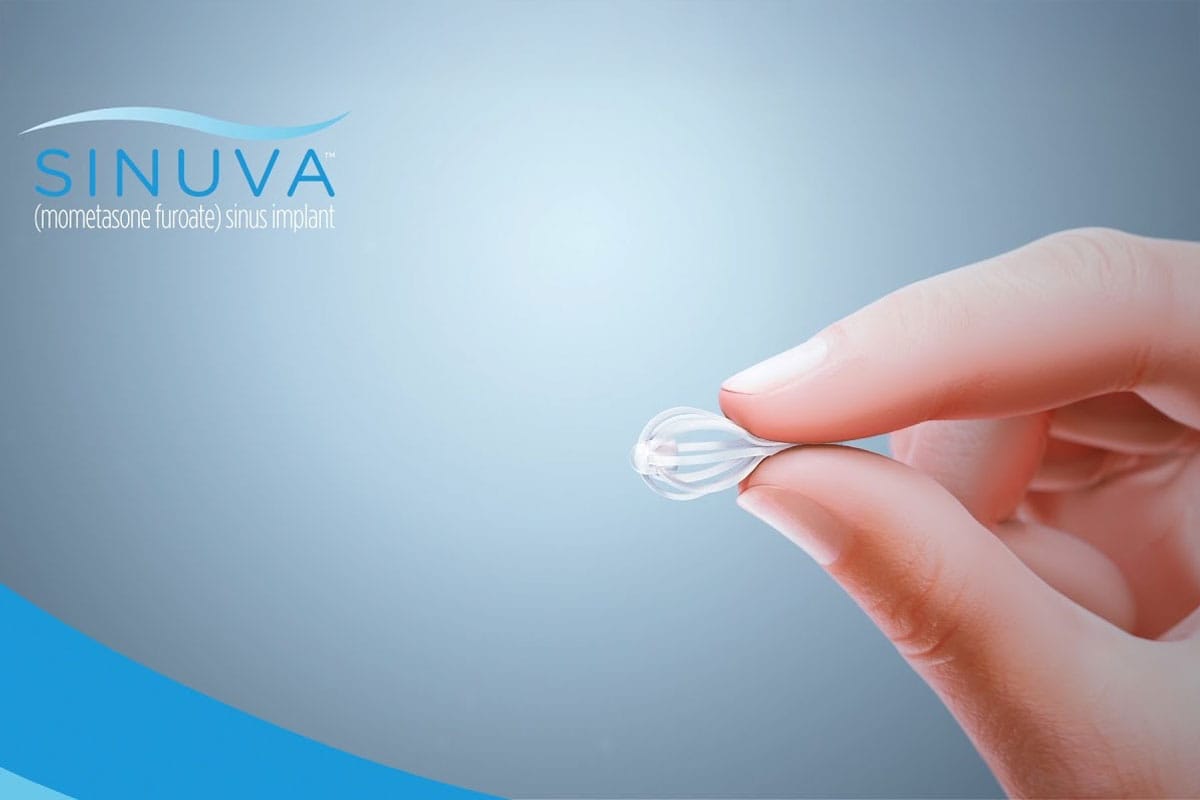
Sinus Implant: How it Works
Actual SINUVA Patient Experience
Surgery for Nasal Polyps FAQs
How Long Does Recovery Take After Nasal Polyp Surgery?
Most patients return to light daily activities within a few days, with more noticeable improvement over one to two weeks. You may experience congestion, drainage, or mild pressure as your sinuses heal, and your provider will guide you on rinses and follow-up care.
Can Nasal Polyps Come Back After Surgery?
Yes. Nasal polyps are associated with chronic inflammation, so they can recur even after successful surgery. About one in three patients experiences polyp regrowth within 6 months, which is why ongoing management is often needed.
Will I Feel the Sinuva Implant After It’s Placed?
Most patients do not feel the SINUVA implant once it’s in place. It softens over time and is designed to sit comfortably within the sinus while delivering medication.
How Long Does Sinuva Stay in Place?
The SINUVA implant releases medication over approximately 90 days. It may be removed by your provider or may gradually soften and come out on its own as inflammation decreases.
Can Sinuva Replace Surgery Altogether?
SINUVA is not a replacement for initial sinus surgery. It is an alternative option for managing nasal polyps that return after surgery, helping some patients delay or avoid repeat procedures.
Why Choose Surgical Associates Northwest?
Surgical Associates Northwest is a trusted ENT practice that has been caring for families across the South Sound for over 40 years. Our doctors focus on making specialty care accessible, with shorter wait times and easier scheduling than many hospital-based ENT groups. You’re seen promptly, listened to carefully, and guided through your options without feeling rushed. If nasal polyps are affecting your breathing or quality of life, schedule a consultation to explore your nasal polyp treatments in Auburn or Federal Way, WA, today.