
You may notice ear fullness, pressure, popping, muffled hearing, or frequent discomfort that makes flying, driving, or even sleeping challenging. These are all symptoms of eustachian tube dysfunction. At Surgical Associates Northwest, our expert ENTs help you breathe easier, hear clearer, and get back to living comfortably again.
Does Flying or Driving Make Your Ears Ache?
Eustachian tube dysfunction happens when the small passageway that connects your middle ear to the back of your nose doesn’t open and close the way it should. The eustachian tube helps equalize pressure and drain fluid. When it isn’t working properly, you may experience fullness, pressure, popping, muffled hearing, or discomfort with colds, allergies, flying, or elevation changes. Our providers explain the cause clearly and guide you toward lasting relief.
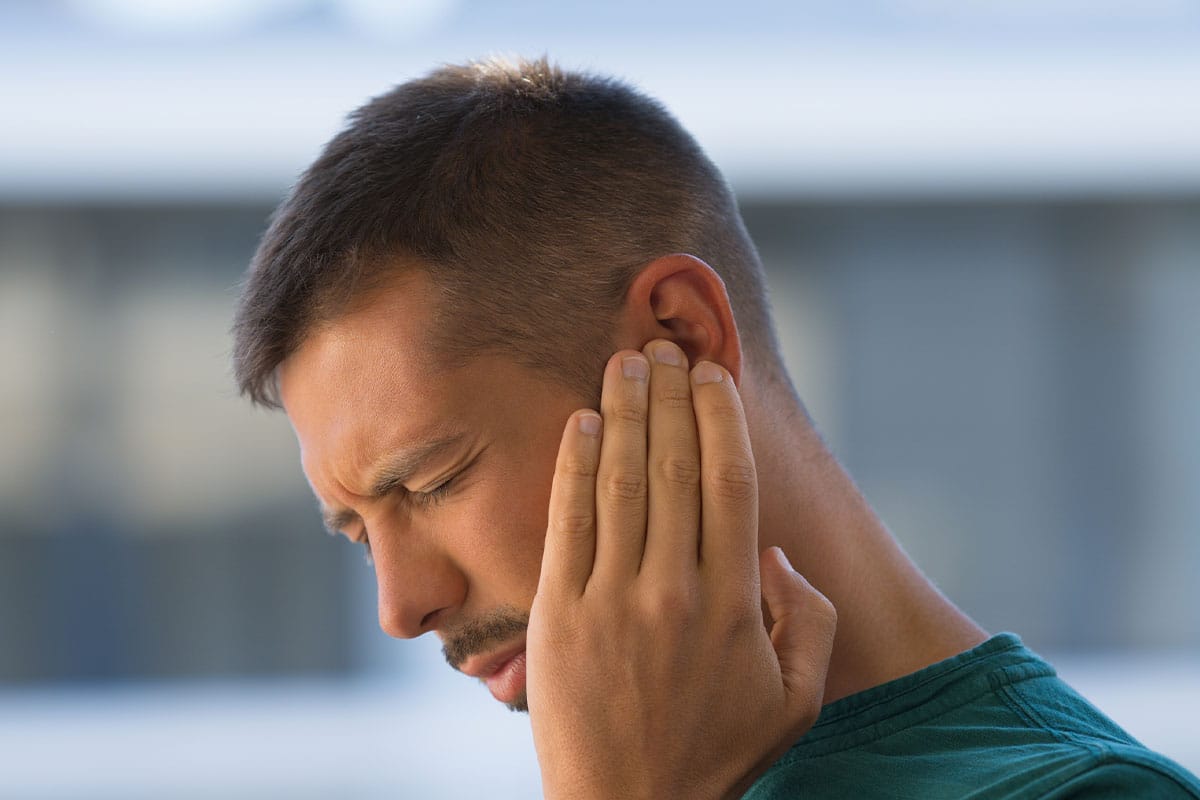
Signs & Symptoms of Eustachian Tube Dysfunction
When the pressure-regulating tube in your ear isn’t working properly, the symptoms can be subtle at first or disruptive enough to affect your life. Common signs and symptoms may include:
- A feeling of fullness or pressure in one or both ears
- Frequent ear popping, clicking, or crackling sensations
- Muffled or reduced hearing
- Ear discomfort that worsens with flying or elevation changes
- Trouble equalizing ear pressure
- Fluid sensation in the ear without infection
- Symptoms that flare with colds, sinus issues, or allergies
What Causes Eustachian Tube Dysfunction?
The eustachian tube is a narrow passage that connects your middle ear to the back of your nose and throat. Its job is to balance pressure and allow fluid to drain. When swelling, blockage, or structural issues prevent it from opening properly, pressure builds over time. Several underlying factors can interfere with how this tube functions, including:
- Nasal or sinus inflammation from allergies or infections
- Upper respiratory infections, including colds or the flu
- Chronic sinusitis or ongoing nasal congestion
- Rapid altitude or pressure changes from flying or driving
- Structural differences in the nasal passages or ear anatomy
- Enlarged adenoids or tissue near the tube opening
- Reflux-related irritation affecting the throat and nasal area
Types of Eustachian Tube Dysfunction
Patulous eustachian tube dysfunction
This type occurs when the eustachian tube remains abnormally open rather than closing at rest. You may hear your own voice, breathing, or chewing loudly in your ear. Symptoms often fluctuate and may worsen with weight loss, dehydration, or prolonged talking.
Obstructive eustachian tube dysfunction
Obstructive dysfunction happens when the eustachian tube cannot open due to swelling, blockage, or pressure changes. This is the most common type and often causes fullness, pressure, popping, muffled hearing, or discomfort, especially during colds or allergies.
Baro-challenge-induced eustachian tube dysfunction
This type is triggered by rapid pressure changes, such as flying, diving, or driving through mountains. The eustachian tube struggles to equalize pressure quickly, leading to pain, pressure, or temporary hearing changes that typically resolve once pressure stabilizes.
Your Eustachian Tube Dysfunction Treatment Experience
Your visit begins with a thorough, unrushed consultation focused on understanding how your symptoms affect your daily life. At Surgical Associates Northwest, our ENTs take time to review your medical history, allergy patterns, and sinus health, and then examine your ears and nasal passages. You may undergo hearing tests, pressure testing, or nasal endoscopy to pinpoint the source and confirm whether blockage, inflammation, or pressure sensitivity is involved.
If treatment is needed, your plan may start with targeted medical therapy, such as nasal sprays, allergy management, or reflux control to reduce inflammation around the tube. For persistent symptoms, in-office procedures like balloon dilation may be recommended to gently widen the eustachian tube and improve long-term pressure regulation. If contributing sinus or nasal issues are present, treating those conditions is often part of restoring lasting ear health.

Eustachian Tube Dysfunction FAQs
Can Eustachian Tube Dysfunction Go Away on Its Own?
In some cases, yes. Mild symptoms from a cold, a short-term allergy, or temporary congestion may resolve as swelling subsides. If symptoms last longer than a few weeks or keep coming back, evaluation is important to prevent ongoing pressure problems.
Is Eustachian Tube Dysfunction the Same as an Ear Infection?
No. While they can feel similar, eustachian tube dysfunction is a pressure and drainage problem, not an infection. However, untreated eustachian tube dysfunction can increase your risk of fluid buildup, which, in turn, can lead to recurrent ear infections.
Can Allergies Really Affect My Ears?
Yes. Allergies commonly cause swelling around the eustachian tube opening, making it harder for pressure to equalize. Managing allergies often plays a key role in long-term symptom relief.
Why Choose Surgical Associates Northwest?
Surgical Associates Northwest is a trusted ENT practice that puts your comfort, time, and long-term relief first. Our doctors take the time to listen, explain what’s happening in clear terms, and recommend treatments that make sense for your lifestyle. If ear pressure or fullness is affecting your life, schedule a consultation to determine if you may have eustachian tube dysfunction and explore your treatment options in Auburn or Federal Way, WA.