
Sleep apnea can quietly take over your nights and your days. You may snore loudly, wake up tired, or struggle with focus and energy. When breathing repeatedly pauses during sleep, your health and quality of life suffer, but effective, compassionate care is available. At Surgical Associates Northwest, our ENTs help you breathe easier and sleep better again with our treatment for sleep apnea in Federal Way and Auburn.
Snoring Loudly and Waking up Exhausted?
Sleep apnea is a sleep disorder where your breathing repeatedly stops and starts while you’re asleep. These pauses can last seconds and happen dozens of times per hour, preventing deep, restful sleep and lowering oxygen levels. You may not realize it’s happening, but your body feels the effects every day. Sleep apnea is very common, affecting an estimated 25 million adults in the United States alone. Without treatment, it can increase the risk of heart disease, high blood pressure, daytime fatigue, and other serious health concerns.
Types of Sleep Apnea
Obstructive Sleep Apnea (Osa)
Obstructive sleep apnea is the most common form of sleep apnea. It occurs when the muscles at the back of your throat relax too much during sleep, narrowing or collapsing your airway. This leads to snoring, disrupted breathing, and frequent nighttime awakenings.
Central sleep apnea (CSA)
Central sleep apnea occurs when the brain does not send consistent signals to the muscles that control breathing. Unlike obstructive sleep apnea, the airway is not blocked, but breathing still stops temporarily. This type is often linked to medical or neurological conditions.
Complex sleep apnea syndrome (CSAS)
Complex sleep apnea syndrome is a combination of both obstructive and central sleep apnea. It is typically identified during sleep testing when central apnea events continue after obstructive apnea is treated. Managing this type often requires a more tailored treatment plan.
Signs & Symptoms of Sleep Apnea
Sleep apnea can manifest in ways that affect your sleep and daytime routine. Some signs are easy to notice, while others are more subtle.
Common symptoms of sleep apnea include:
- Loud, chronic snoring
- Pauses in breathing during sleep
- Gasping or choking at night
- Waking up with a dry mouth
- Morning headaches
- Daytime fatigue or sleepiness
- Trouble focusing or memory issues
- Mood changes or irritability
What Causes Sleep Apnea?
Sleep apnea occurs when the normal airflow through your upper airway is disrupted during sleep. As throat muscles relax, the airway can narrow or collapse, or the brain may fail to send steady signals to breathe. These interruptions reduce oxygen levels and repeatedly wake your body.
Several factors can increase the likelihood of this happening, including:
- Relaxation of throat and tongue muscles during sleep
- Structural airway narrowing in the nose, jaw, or throat
- Enlarged tonsils or excess soft tissue
- Being overweight or carrying weight in the neck
- Nasal obstruction or chronic congestion
- Neurologic conditions affecting breathing signals
Your Sleep Apnea Treatment Experience
Your sleep apnea treatment in Federal Way and Auburn begins with a thorough, unhurried consultation focused on understanding how sleep apnea is affecting your life. You’ll review your symptoms, sleep patterns, prior testing, and any treatments you’ve already tried. If needed, our ENTs can coordinate sleep studies and airway evaluations to pinpoint where breathing is being disrupted. From there, your treatment plan is personalized to your anatomy, lifestyle, and symptom severity.
CPAP therapy
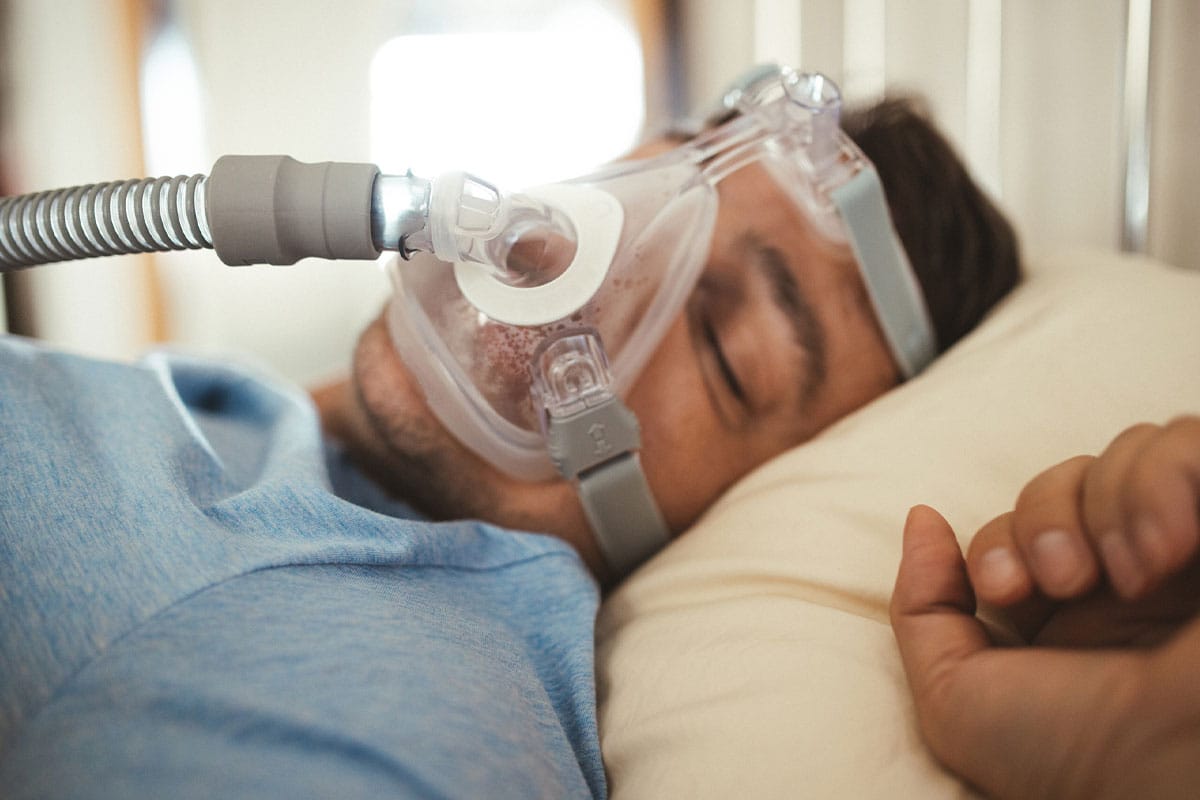
CPAP therapy uses gentle, continuous air pressure to keep your airway open while you sleep. You wear a mask connected to a small bedside machine that delivers airflow through your nose or mouth. This prevents the throat from collapsing, stopping breathing pauses before they start. When used consistently, CPAP can significantly reduce snoring, improve sleep quality, and restore daytime energy.
Sleep Apnea Surgery
Sleep apnea surgery focuses on correcting physical airway obstruction. Depending on your anatomy, surgery may address the soft palate, tonsils, tongue base, nasal passages, or jaw alignment. The goal is to widen or stabilize the airway so air flows more freely overnight. Surgical treatment can reduce apnea severity, improve breathing, and lessen dependence on devices.
Inspire Procedure
The Inspire procedure is an implanted therapy for certain adults with moderate to severe obstructive sleep apnea who cannot tolerate CPAP. During a short outpatient surgery, a small device is placed under the skin of the neck and chest. While you sleep, Inspire gently stimulates the nerve that controls tongue movement, keeping the airway open to restore natural breathing throughout the night.
Sleep Apnea FAQs
How Is Sleep Apnea Diagnosed?
Sleep apnea is typically diagnosed through a sleep study that measures your breathing, oxygen levels, heart rate, and sleep stages. This may be done overnight in a sleep lab or at home using portable monitoring equipment. Your results help determine the type and severity of sleep apnea and guide the most effective treatment plan.
Can Sleep Apnea Be Dangerous if Left Untreated?
Yes, untreated sleep apnea can increase your risk of serious health problems. Repeated drops in oxygen and sleep disruption strain your heart and blood vessels, raising the risk of high blood pressure, heart disease, stroke, and diabetes.
Can Sleep Apnea Cause Problems During the Day?
Sleep apnea doesn’t just affect your nights. Poor sleep quality can lead to daytime sleepiness, memory issues, irritability, and reduced productivity. You may struggle to stay alert while working, driving, or focusing, which can impact job performance and quality of life.
Why Choose Surgical Associates Northwest?
Surgical Associates Northwest is a trusted ENT practice that has been caring for our community for decades. At Surgical Associates Northwest, our doctors focus on personalized, patient-first care, taking time to listen and explain your options in clear terms. Your specific concerns guide every decision we make. Schedule a consultation with our experienced ENTs for your sleep apnea treatment in Auburn or Federal Way, WA, to explore your treatment options.